Smart Customer Management System

Lead Service & Product Designer

Designed an innovative user experience for a smart queue and appointment management system, handling everything from early concepts to implementation. My responsibilities included customer journeys, shop layouts, kiosk interfaces, and the physical kiosk device itself.

  • UX Design
  • Strategy
  • Product Design
  • Service Design
  • UX Research
  • In-Depth Interviews
  • Usability Testing
  • Analytics

Problem

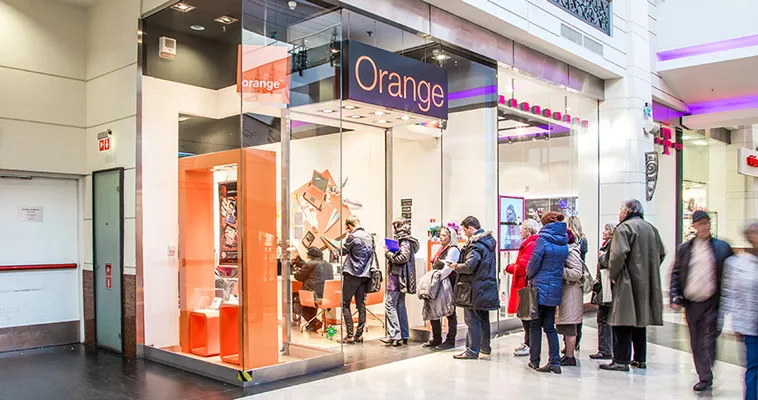
Long queues were the primary factor behind low customer satisfaction and poor NPS scores in Orange stores, with customers often waiting for over an hour. Previously, two ready-made systems were implemented to address this issue, but neither met Orange’s requirements and were subsequently discontinued.

Customers queuing in an Orange shop. Common waiting time: more than 1 hour.
>1hcommon waiting time in Orange shop

The process

The project began with a thorough analysis of customer behavior in Orange shops, specifically focusing on their experience while waiting in line.

Together with my team, we conducted interviews with both customers and employees to identify the root causes of delays in customer service.

Main project phases

  1. Ethnography & Desk Research

    Observing customer behavior and analyzing existing data

  2. Interviews in 4 Shops

    Engaging with customers and employees to gather direct insights.

  3. Workshops with Shop Managers

    Collaborating with managers to align the system with operational needs.

  4. Prototype & Customer Testing

    Testing early prototypes and collecting feedback through focus groups.

  5. Implementation in the First Shop

    Deploying the system in a pilot store to evaluate real-world performance.

  6. User Tests in the First Shop

    Gathering feedback and improving the system based on early experiences.

  7. Enhancements

    Adding features such as a reception and a manager consoles for better control.

  8. Rollout to 8 Stores

    Expanding the system to additional shops to refine and validate scalability.

  9. Full Rollout

    Implementing the system in all Orange Smart stores.

Initial ethnography + IDI research

The study aimed to identify the expectations of both customers and employees in Orange showrooms regarding the existing queuing system and their future needs. A qualitative approach, combining observations and in-depth interviews, was conducted across four showrooms—two with the current system and two without. Participants included both customers waiting for services and employees.

Key advantages of the queuing system from customer insights:

Order and comfort

  • The queuing system introduces order and structure, making the process more manageable for customers.
  • It enhances customer comfort by providing awareness of how many people are ahead in the queue, eliminating the need to monitor the line themselves.
  • Customers appreciate the ability to plan their time while waiting, which adds to their convenience.

Improved experience

  • The system reduces pressure on both customers and employees, creating a more relaxed environment.
  • It contributes to better organization in the salon, benefiting both staff and customers.

Familiarity with similar systems

  • Customers are already accustomed to similar queuing systems in other service outlets, including competitor stores, which helps foster acceptance.
A customer using the old ticket kiosk

Identified pain points:

  • The location and design of the ticket machine are problematic; customers often struggle to find it, especially when it’s not prominently placed near the entrance.
  • Difficulties operating the machine independently due to its resistive screen, which only responds to hard objects, causing confusion.
  • The kiosk’s unintuitive categories, based on the provision system, cause confusion. Customers choose faster-moving queues meant for new purchases or contracts, leading to chaos and mismanagement.
  • Inconsistency across stores, with different machines and varying visit purpose categories, causes confusion among customers.
  • The poorly placed queue display makes it difficult for customers to see their current number, further contributing to the chaos in shops already cluttered with advertisements.
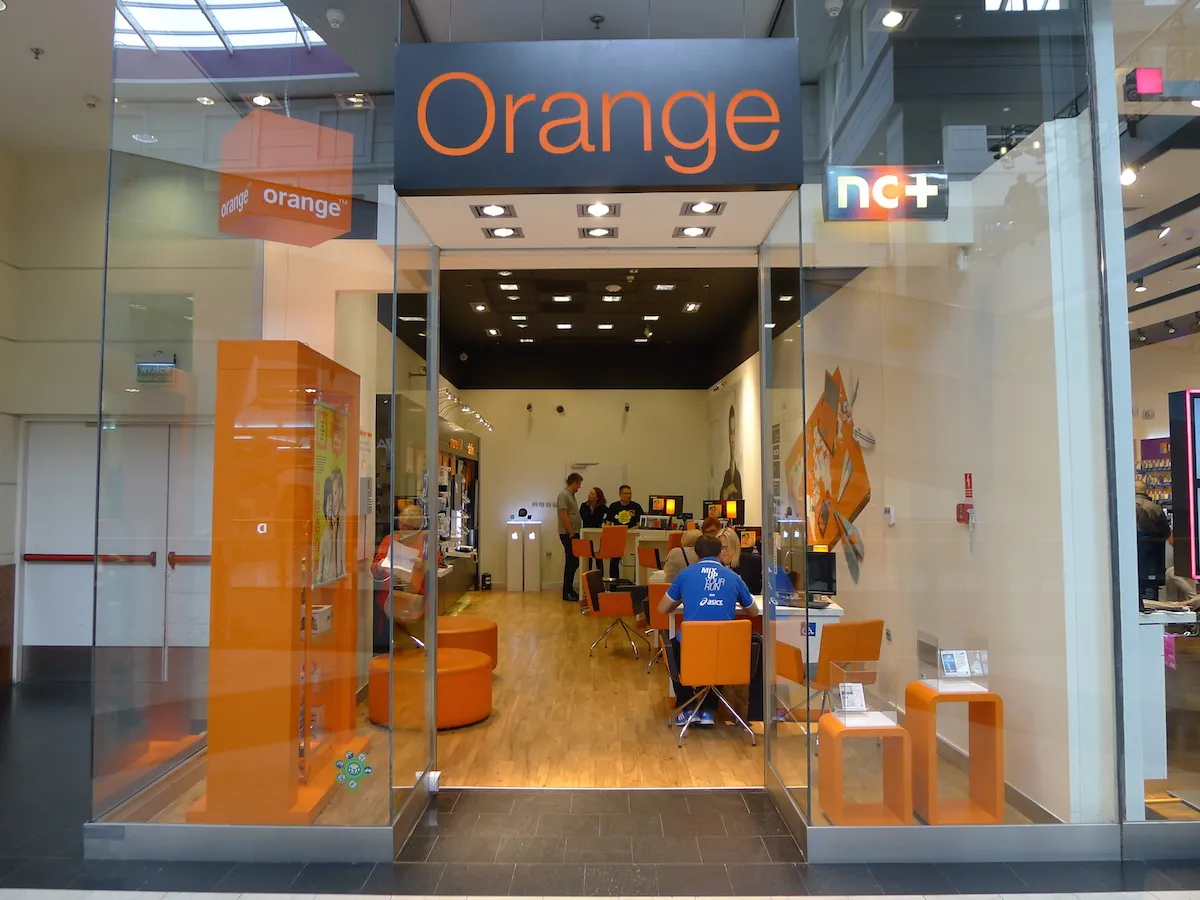
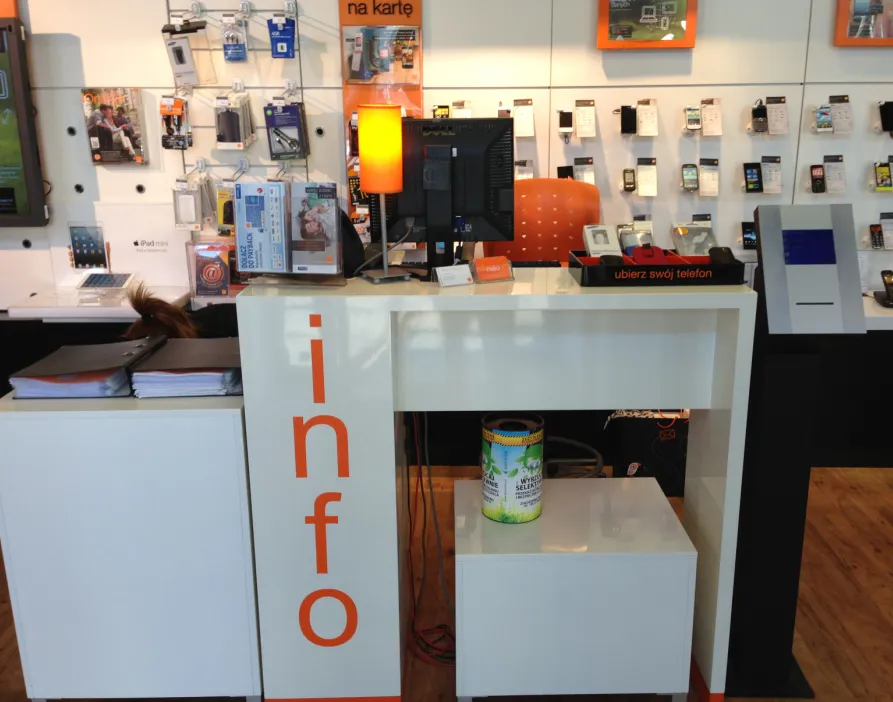
An Orange shop during research

Employee Expectations:

  • The queuing system should provide order and structure, making the process manageable for customers.
  • It must enhance customer comfort by clearly displaying their position in the queue, reducing the need for them to monitor it themselves.
  • Employees need options to control the queue, such as pausing or terminating service, manually calling the next customer, and redirecting customers to the cash register.
  • Stable and reliable system performance is essential.
  • A simple, intuitive interface with clear customer service order information is crucial.
  • The system should support automated customer counting, with an option for manual ticket removal when necessary.
  • Employees require access to statistics, such as the number of customers served, service times for B2B and B2C, and logged hours.
  • While automatic customer calling is useful, some employees prefer manual control.

Workshop with shop managers

Key design principles defined after workshop with store managers and a prioritization session:

Core principles:

  • Reception in every store
  • Simplified system for ease of use
  • Equal treatment for all customers (no prioritization)
  • Online booking reserved for sales-related services
  • SMS notifications with real-time queue updates
  • More precise traffic tracking

Key issues to prevent:

  • VIP and special customer privileges
  • Customers leaving after seeing queue length
  • Separation of sales and post-sales customers
  • Binary tracking and surveillance of employees
  • Use of an electronic calendar for customer management
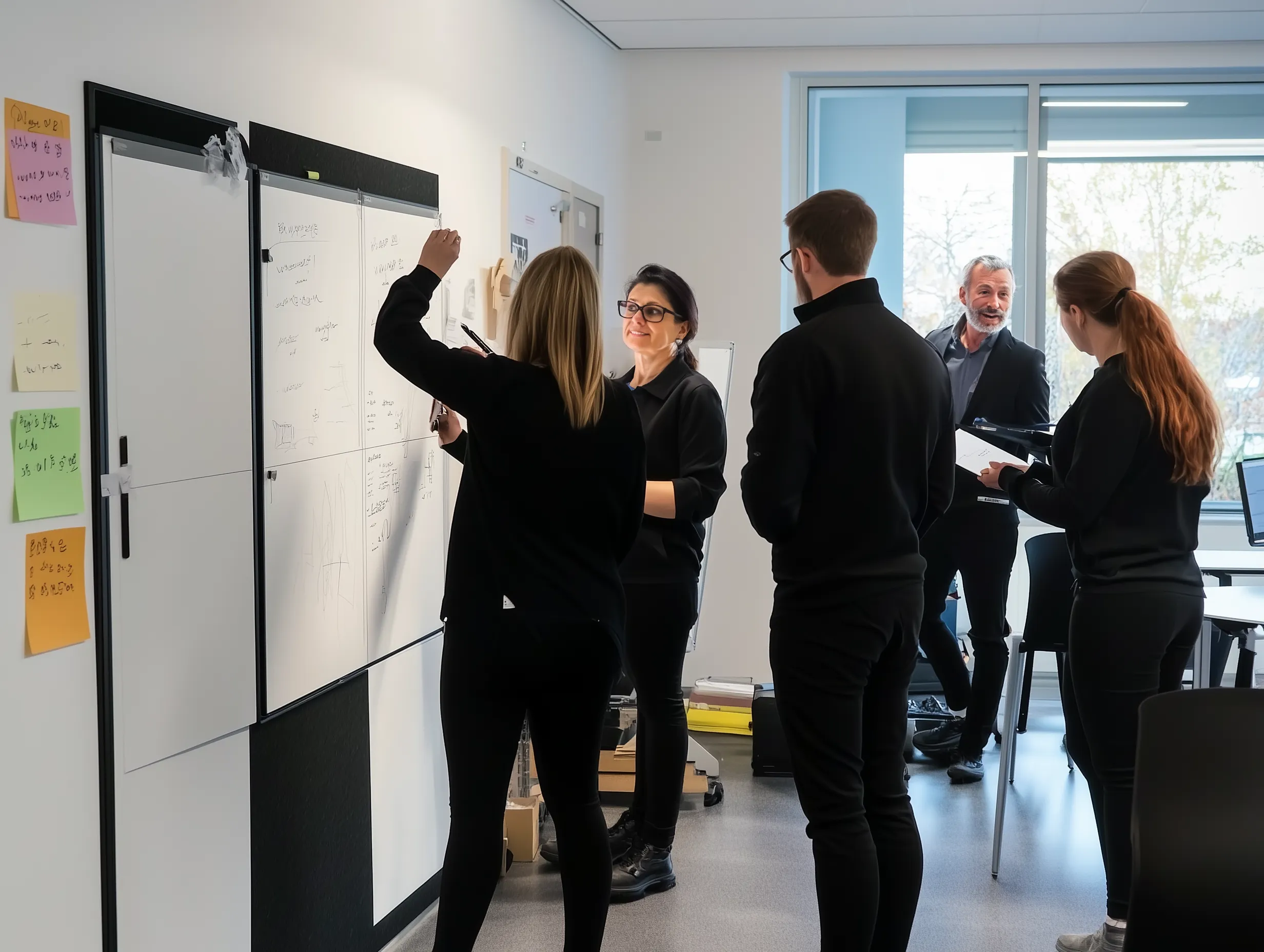
A workshop with whiteboards and shop employees in black uniforms

First prototype - Usability tests & FGI with customers

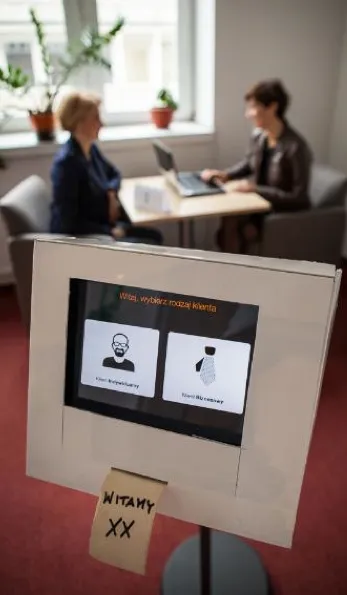
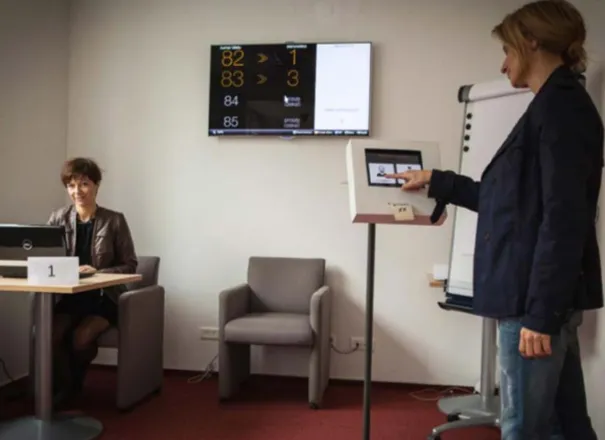
The first prototype: an iPad mounted on an IKEA lamp stand

At the outset, we developed a simple prototype using an iPad mounted on an IKEA lamp stand. Despite the basic setup, the system was fully functional, built on a distributed microservices architecture with a Node.js backend and an Angular.js frontend for scalability and flexibility.

For our initial testing phase, we conducted usability tests and focus group interviews (FGIs) with customers to assess the prototype’s intuitiveness and accessibility. Feedback from these sessions highlighted key areas for improvement, which guided continuous iterations over the two-year development process. Input from customers, consultants, and store managers was integral to refining both the interface and the overall system.

A screen of the first prototype

Key system features

Designed for a multigenerational audience

Orange’s customer demographic was highly diverse. Our research showed that a single solution wouldn’t suit all customers. As a result, we tailored our system to meet the needs of various age groups.

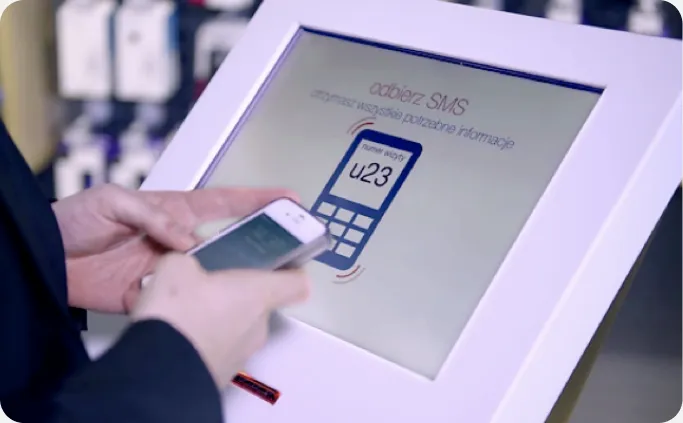
Interactive SMS ticket

A younger customer

Younger customers wanted to avoid waiting in queues. For them, we introduced innovative SMS tickets, allowing them to manage their queue status digitally.

A customer scanning an SMS ticket at the kiosk

Scheduling an appointment

A customer who schedules appointments

Some customers preferred to skip the queue altogether by scheduling appointments in advance, ensuring a more convenient shopping experience.

A phone showing an appointment message

Traditional paper ticket

An older customer

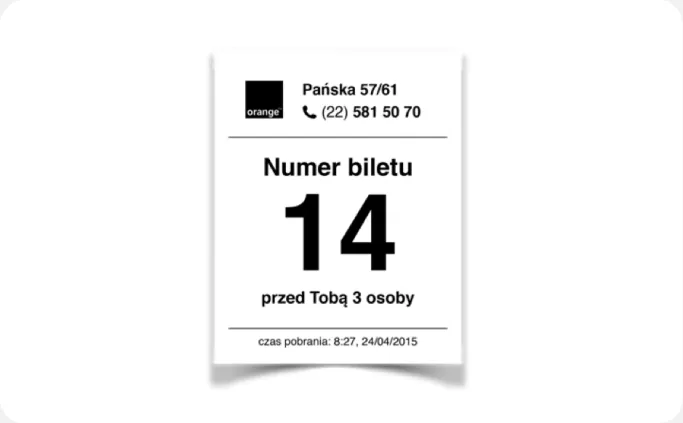
Older customers were more comfortable with familiar systems. We provided traditional paper tickets at kiosks, offering them an intuitive and reliable solution.

A paper ticket with the number 14

Optimized for Role-Specific Needs

Working closely with the shop staff, I designed separate interfaces tailored to each role, ensuring our system met the unique needs of every team member.

Seller panel

A sales assistant

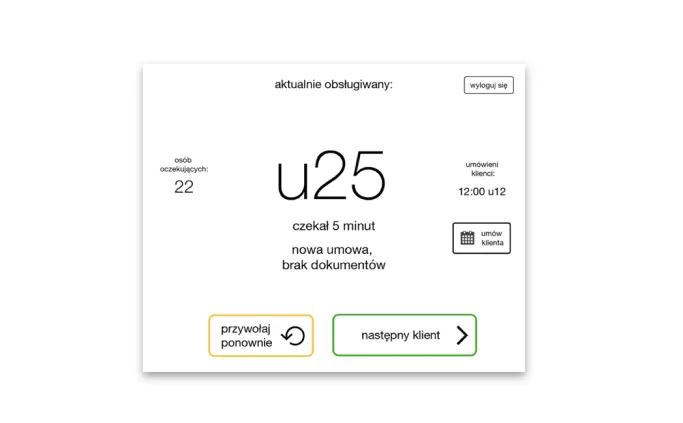
Sales assistants required quick access to the current queue status, helping them manage the flow of customers efficiently.

The seller panel showing the current ticket

Shop manager console

A shop manager

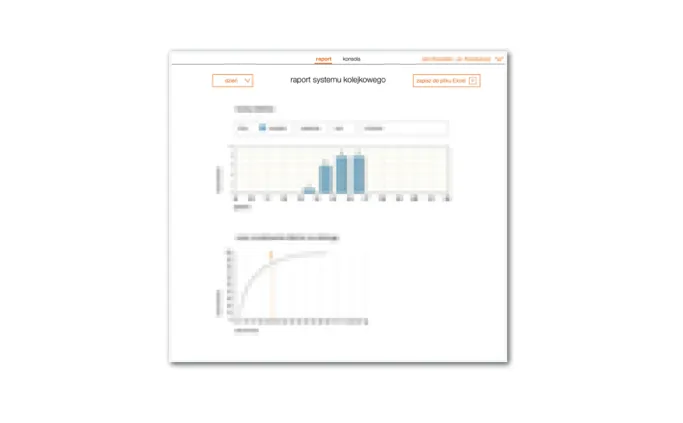
Shop managers needed detailed statistics on customer traffic by hour and day, as well as insights into employee performance.

The shop manager console with traffic charts

Receptionist panel

A receptionist

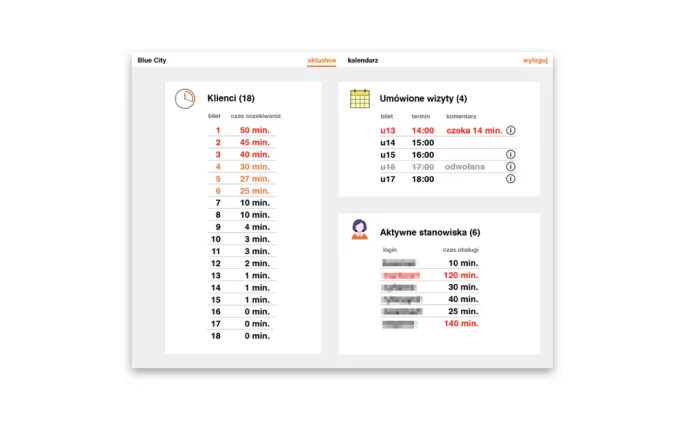
Receptionists required a quick, at-a-glance view of current traffic, with a simple console to invite new customers into the store.

The receptionist panel listing tickets

Regional shop manager console

A regional manager

Regional managers needed data from multiple shops to compare performance and analyze results across locations.

The regional console comparing shops

Designing the kiosk

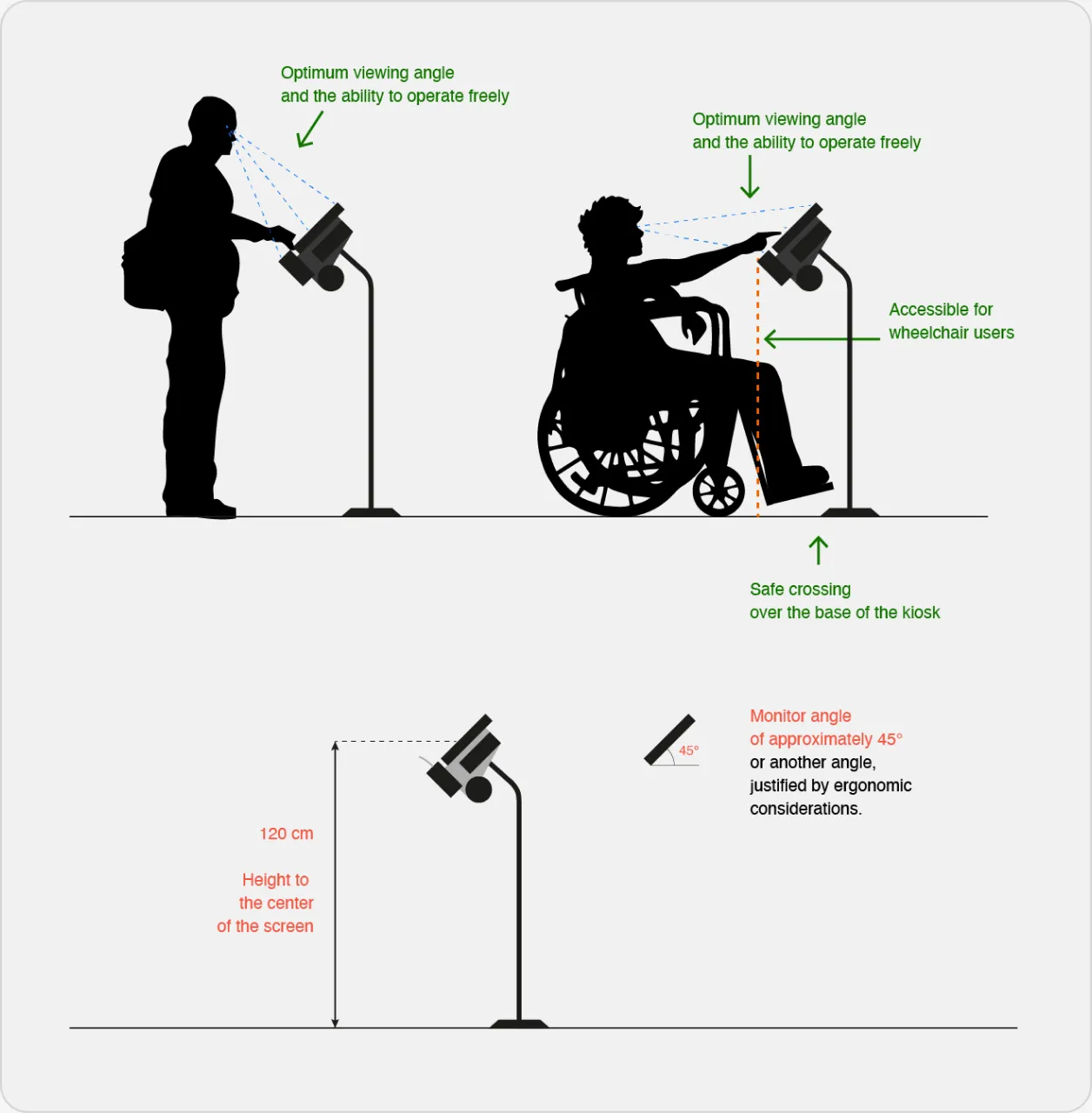
We found that no existing kiosk on the market met our expectations, particularly regarding accessibility and functionality. As a result, we needed to create a completely new kiosk system from scratch to cater to the diverse needs of customers at Orange showrooms. A primary design challenge was ensuring accessibility for individuals with disabilities, including wheelchair users.

Design principles

We focused on several key aspects to make the kiosk both user-friendly and inclusive:

  • Height and reach accessibility: Design the kiosk at an appropriate height to ensure that all buttons, screens, and inputs are easily reachable for individuals in wheelchairs.
  • Durability and usability: Ensure the kiosk can withstand heavy daily usage while remaining responsive and easy to operate. Accommodating various input methods, such as a stylus or a customer’s fingernail, will help address potential issues with resistive screens.

By adhering to these principles, future designs can enhance accessibility for a wider range of users while minimizing friction during customer interactions. The ultimate goal is to create a seamless solution that contributes to a more inclusive and efficient customer service environment in Orange showrooms.

Kiosk ergonomics: reach and viewing angles for standing and wheelchair users

Results of the tender

The tender process involved four contractors, each with a long-term agreement with Orange. After a competitive evaluation, the selected contractor was chosen based on their ability to meet specific criteria, including cost efficiency, service quality, and alignment with Orange’s operational requirements.

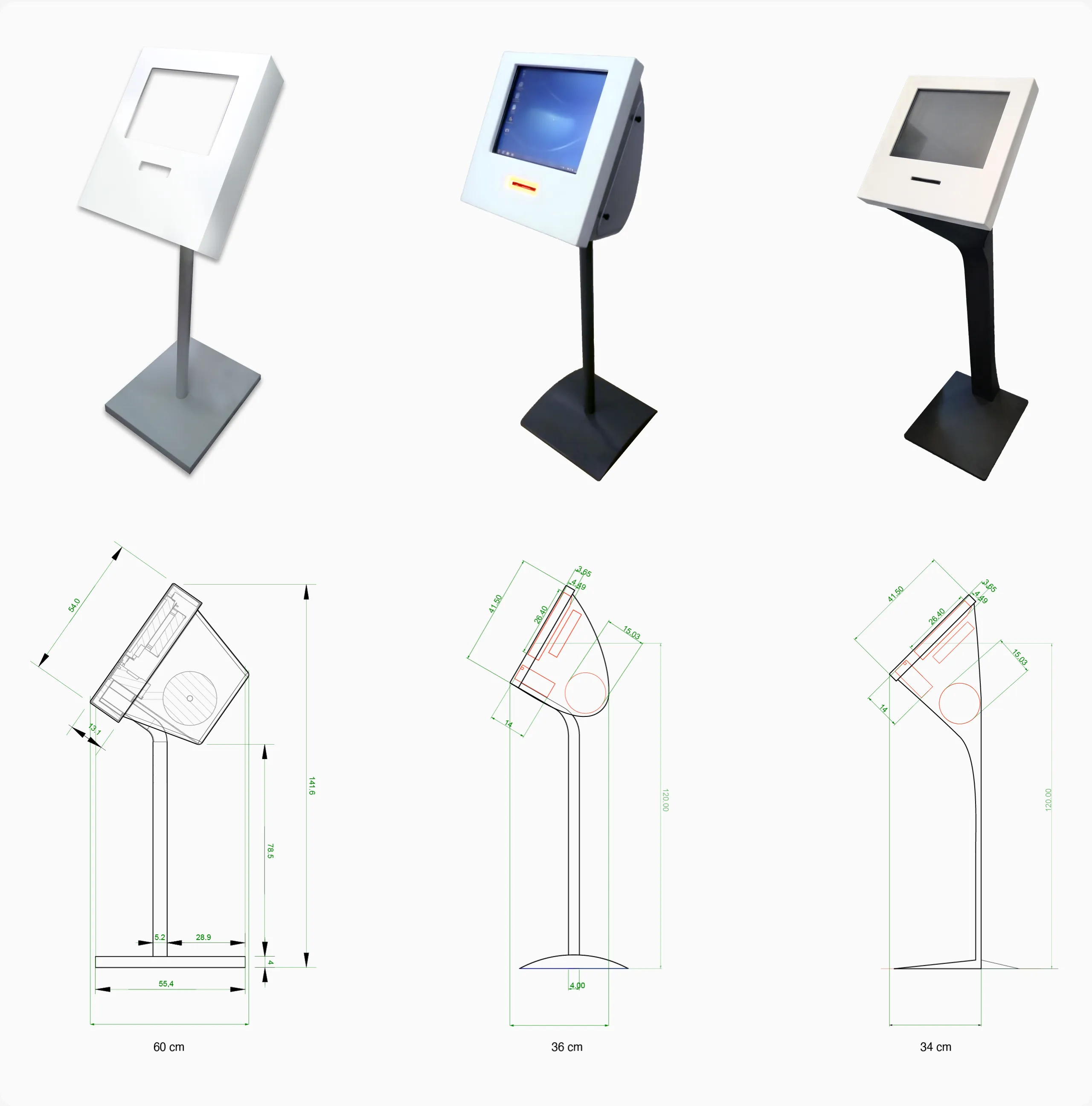
Comparison of the contractors’ kiosk proposals

Evolution of the design

The kiosk design underwent at least three major revisions. The initial prototype delivered by the contractor deviated significantly from the visualizations and design principles. It was bulky, lacked adequate ventilation, and made accessing components like the printer challenging for servicing and paper replacement.

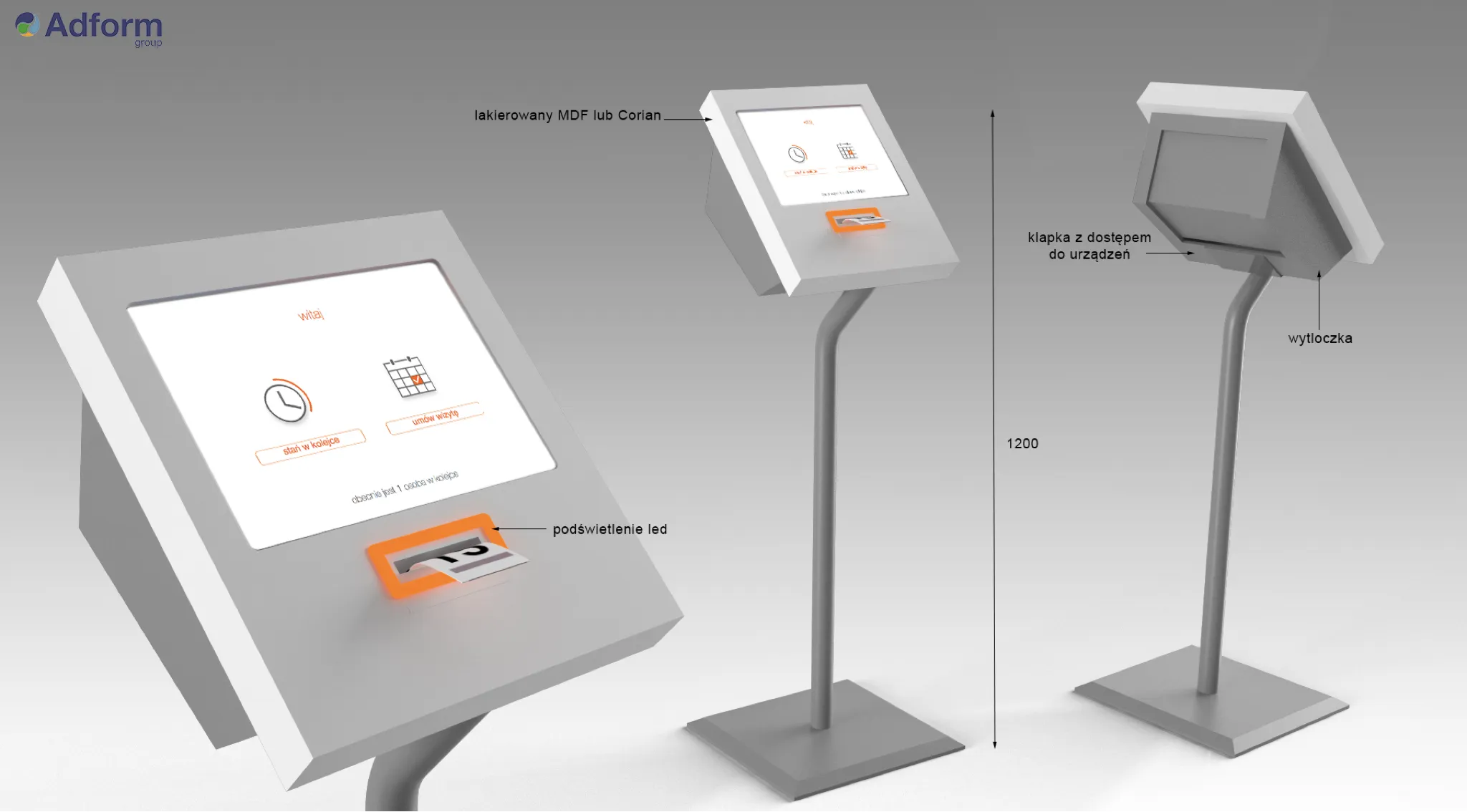
I proposed a design revision that improved these aspects and subsequently revised it again to better fit the Orange shop interior, opting for high-quality Corian and powder-coated steel. Although we aimed to make the kiosk even smaller and lighter, the required internal devices, as specified by my team, posed challenges in achieving this goal.

Three kiosk revisions with technical drawings

Implementation in the first Smart Store in Poland

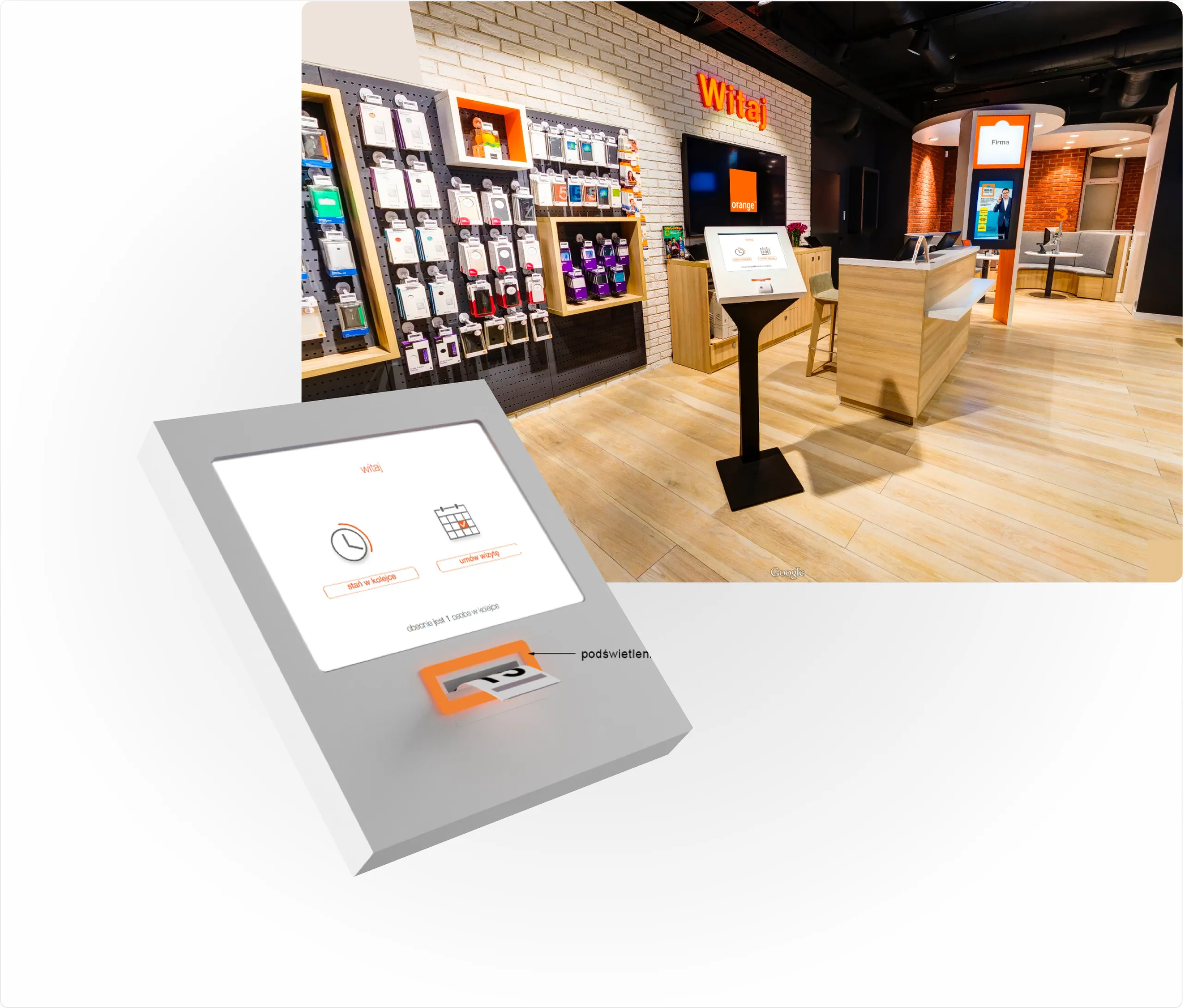
The kiosk in the first Smart Store, with a render of the shop interior

Driving a Seamless Omnichannel Experience

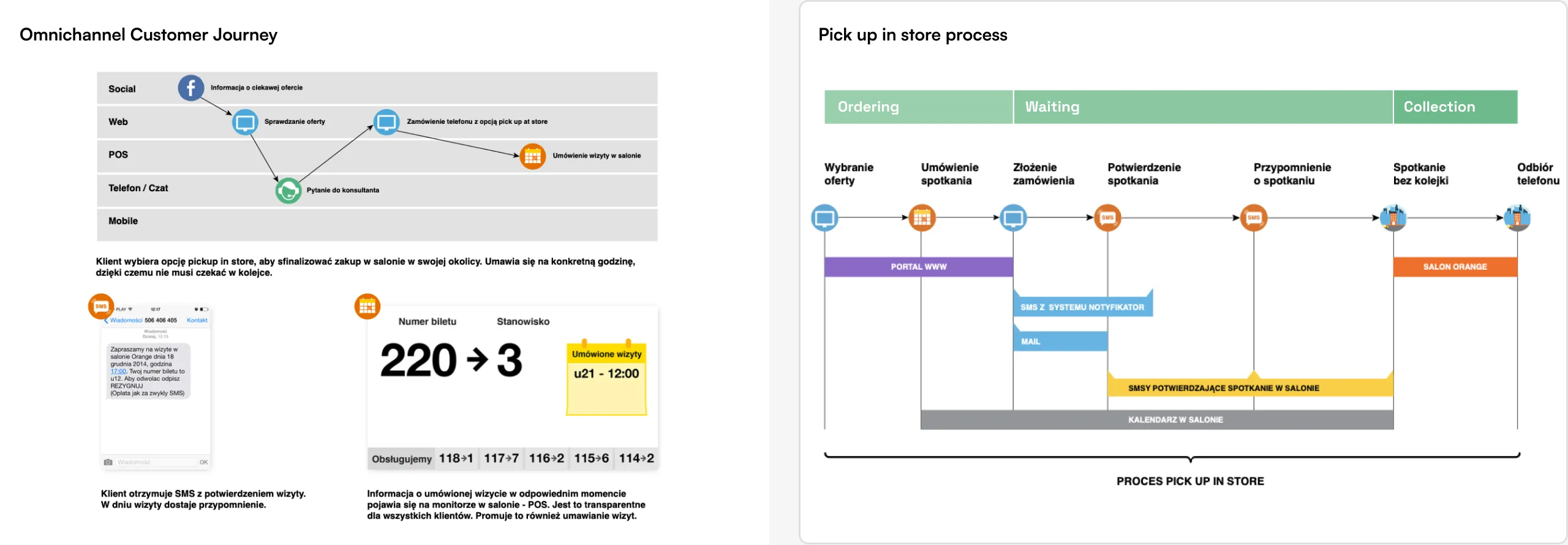
I collaborated with multiple corporate departments to ensure a seamless customer experience across all contact channels. Whether customers start their purchase online, over the phone, or by visiting a store, they can easily transition between channels based on their convenience. This flexibility supports Orange’s Omnichannel Strategy, particularly in enhancing the “Pick Up in Store” process.

The omnichannel customer journey and the “Pick up in store” process

Custom Solutions for Each Orange Shop: Expanding to More Locations

The Orange shops where the queuing system was implemented varied significantly in size and layout. Some had as few as three service desks, while others spanned three floors with more than twelve desks. Traffic levels also differed greatly between locations.

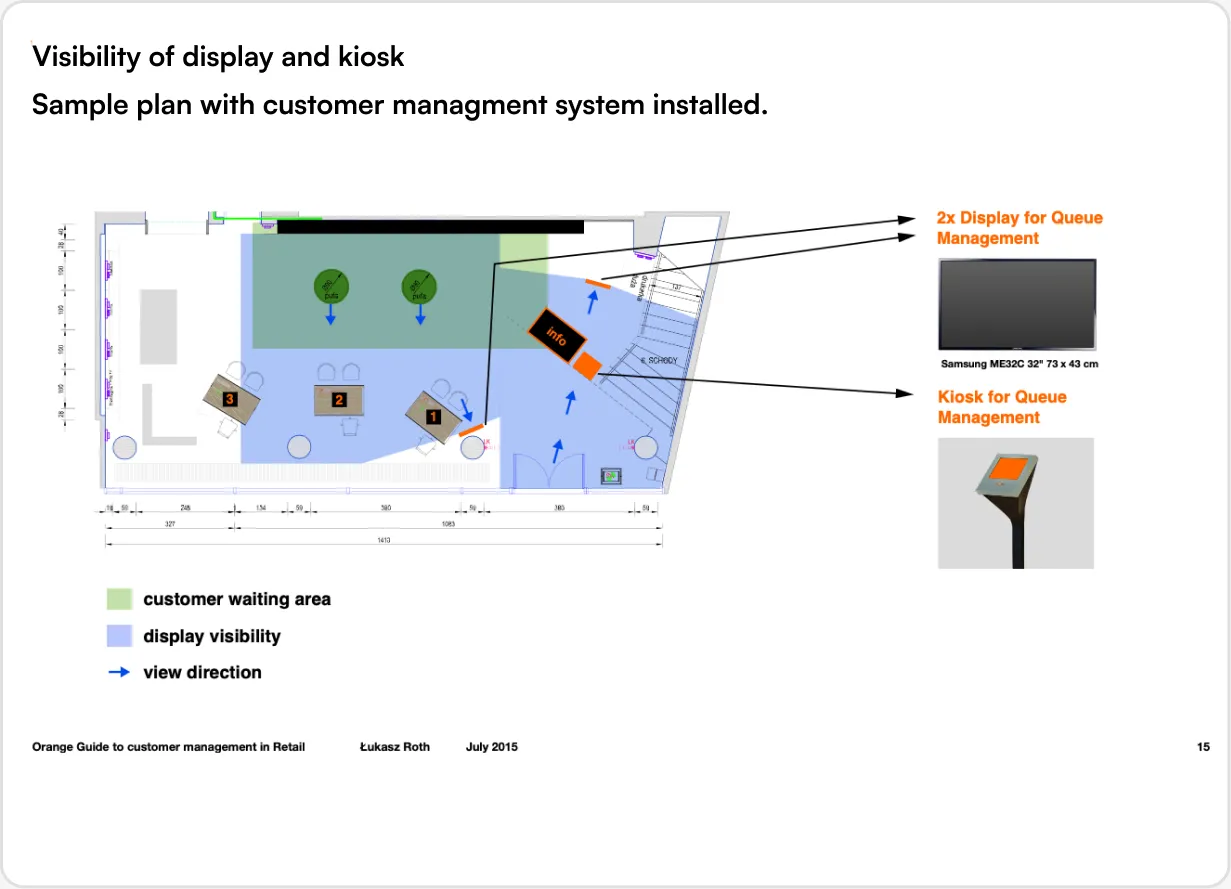
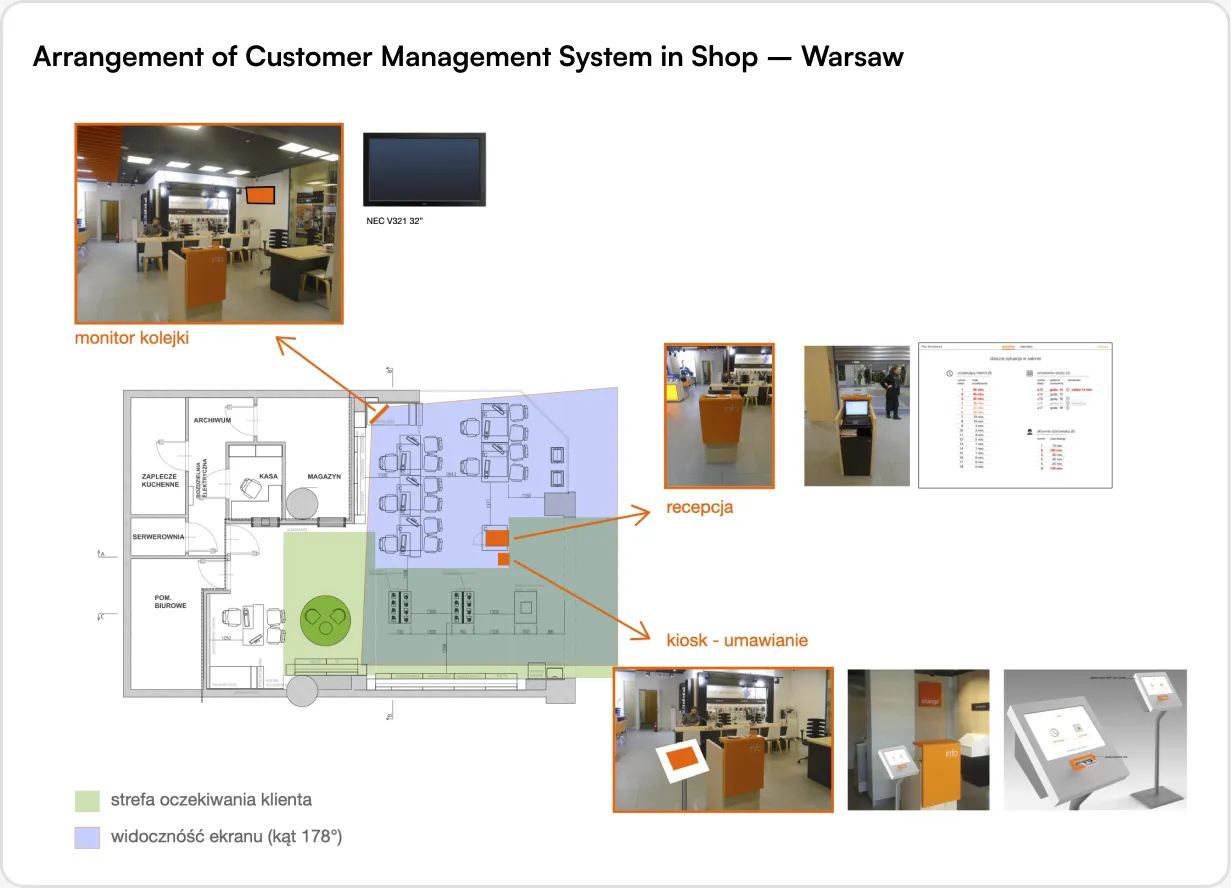
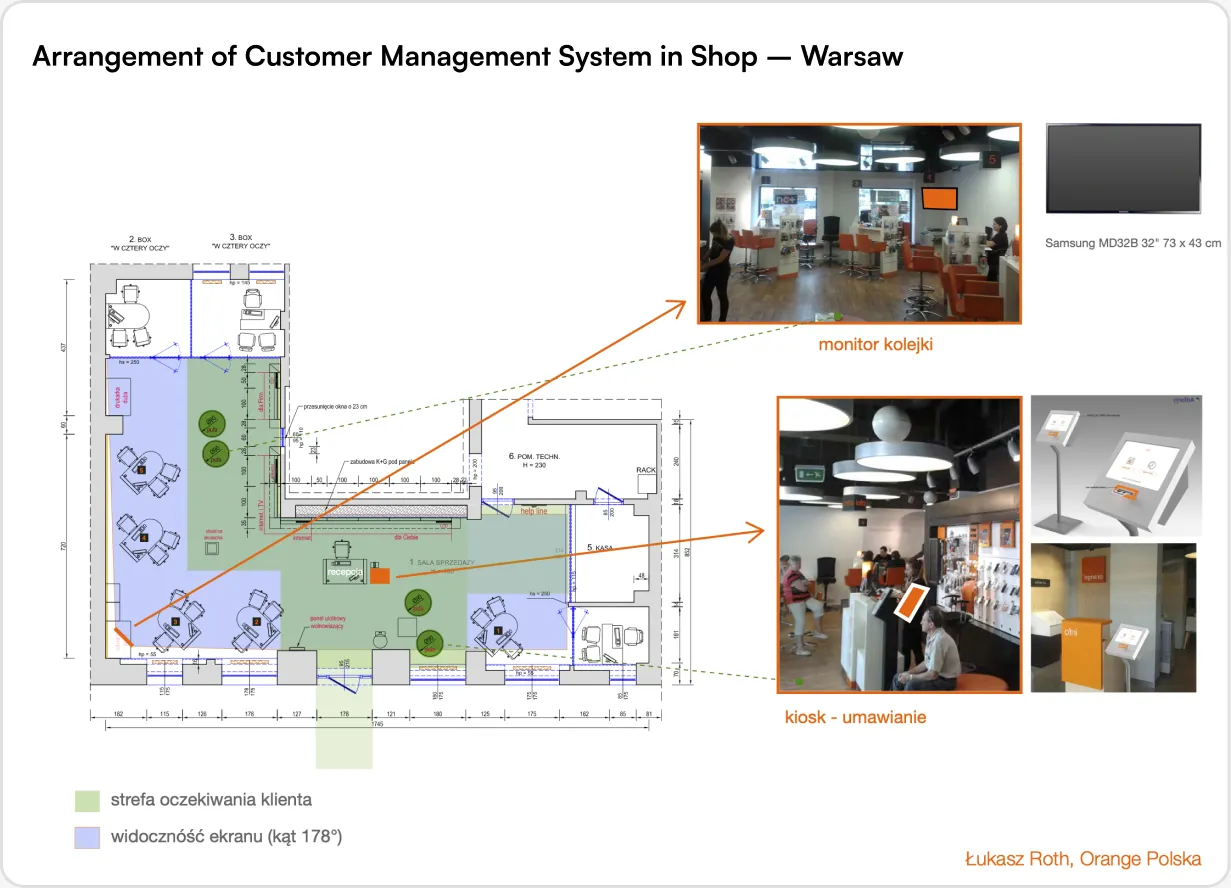
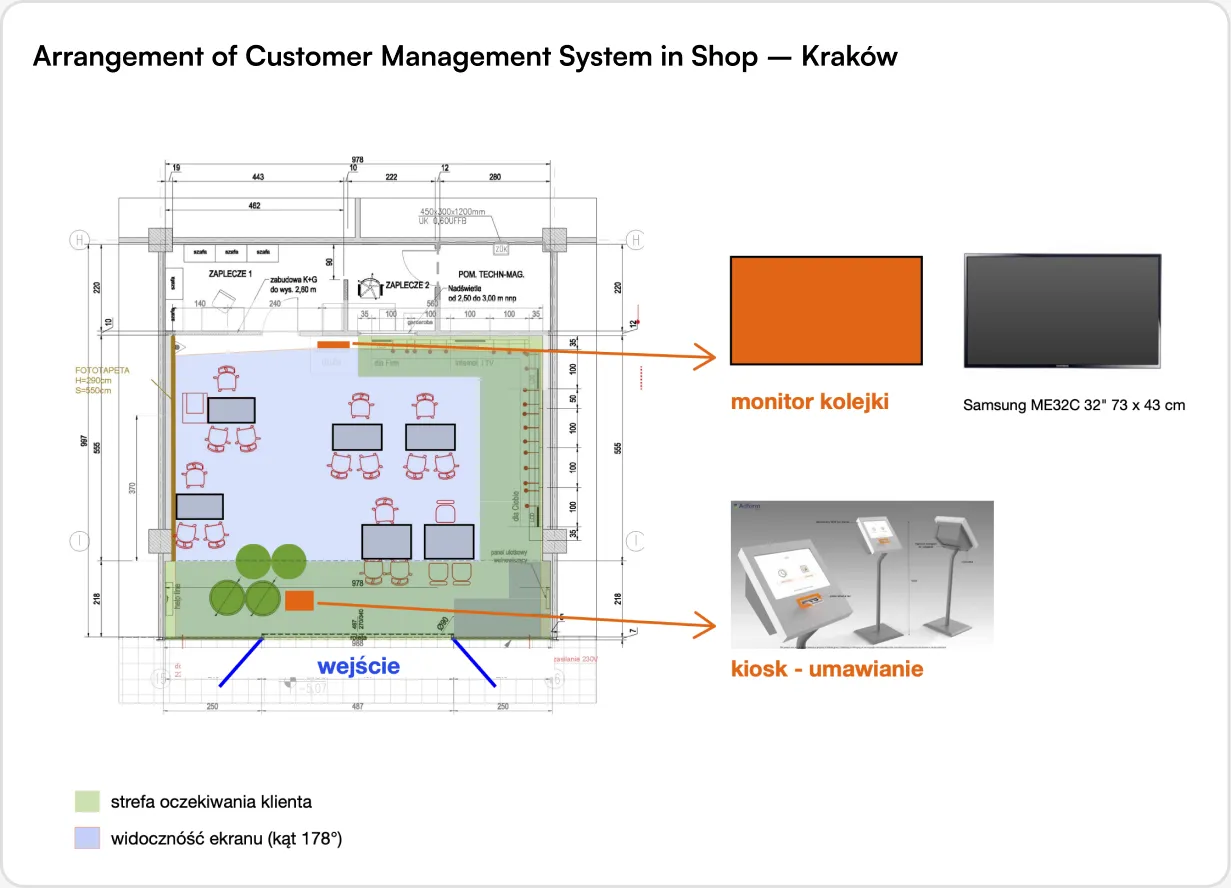
I personally designed the system layout for each shop, considering factors such as size, architecture, location, and the number of consultants and customers. This customization allowed for the best possible customer experience in each store. The process required negotiations with various departments to secure agreements on the most ergonomic placement, based on my detailed technical drawings.

Sample plan with the system installed: visibility of display and kiosk
Arrangement of the Customer Management System in a Warsaw shop
Arrangement of the Customer Management System in a Kraków shop

Results after implementation in 8 Orange Stores

  • Over 250,000 customers served
  • Reduced service times in shops using the system
  • Increased customer satisfaction and NPS in system-equipped stores
  • Enhanced employee time management

This success led to a full rollout across all Orange Smart Stores in Poland.

The system’s adaptability and efficiency have not only transformed customer service but also created a scalable model that can be extended to other retail environments, driving long-term operational improvements and enhanced user experiences.

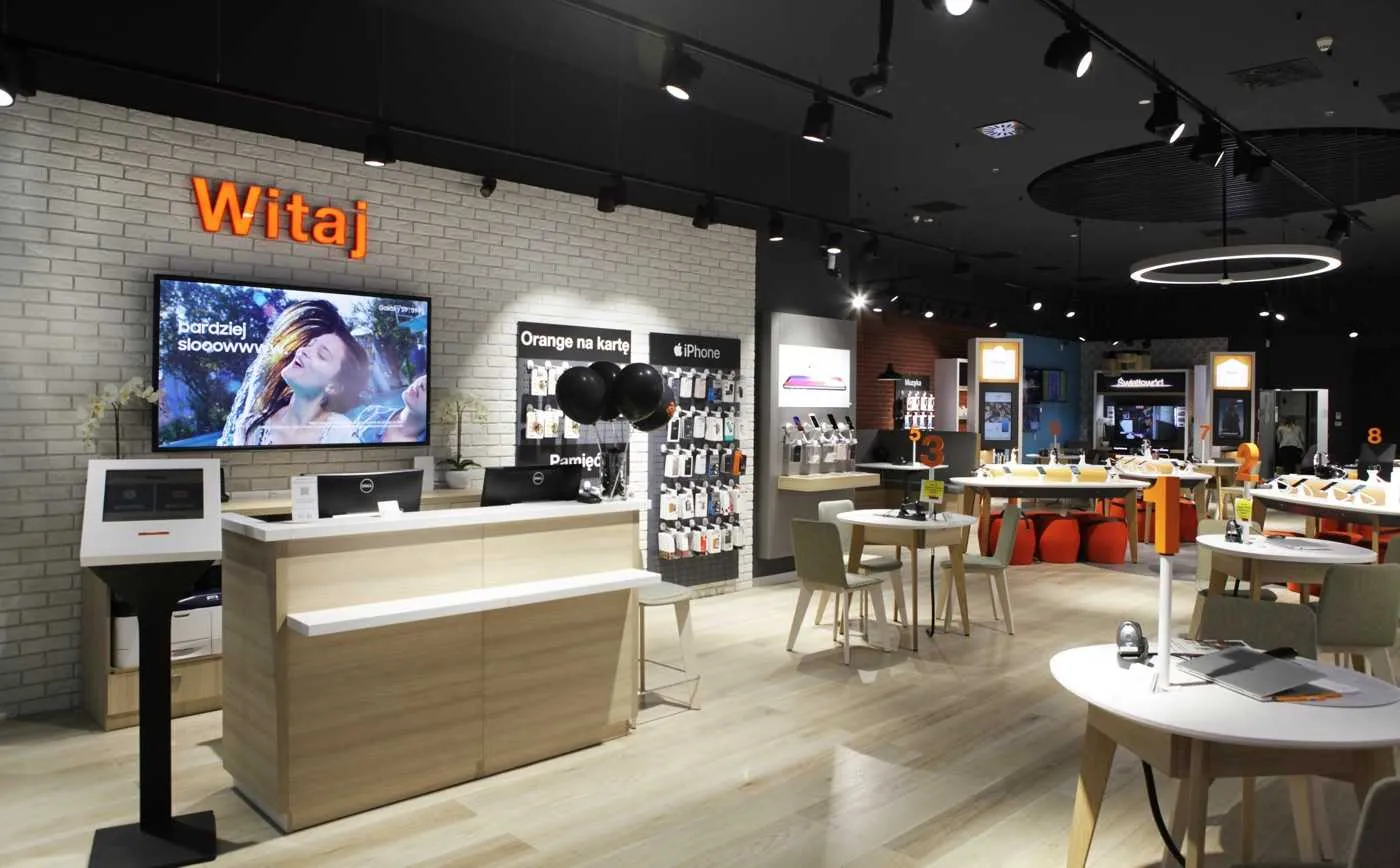
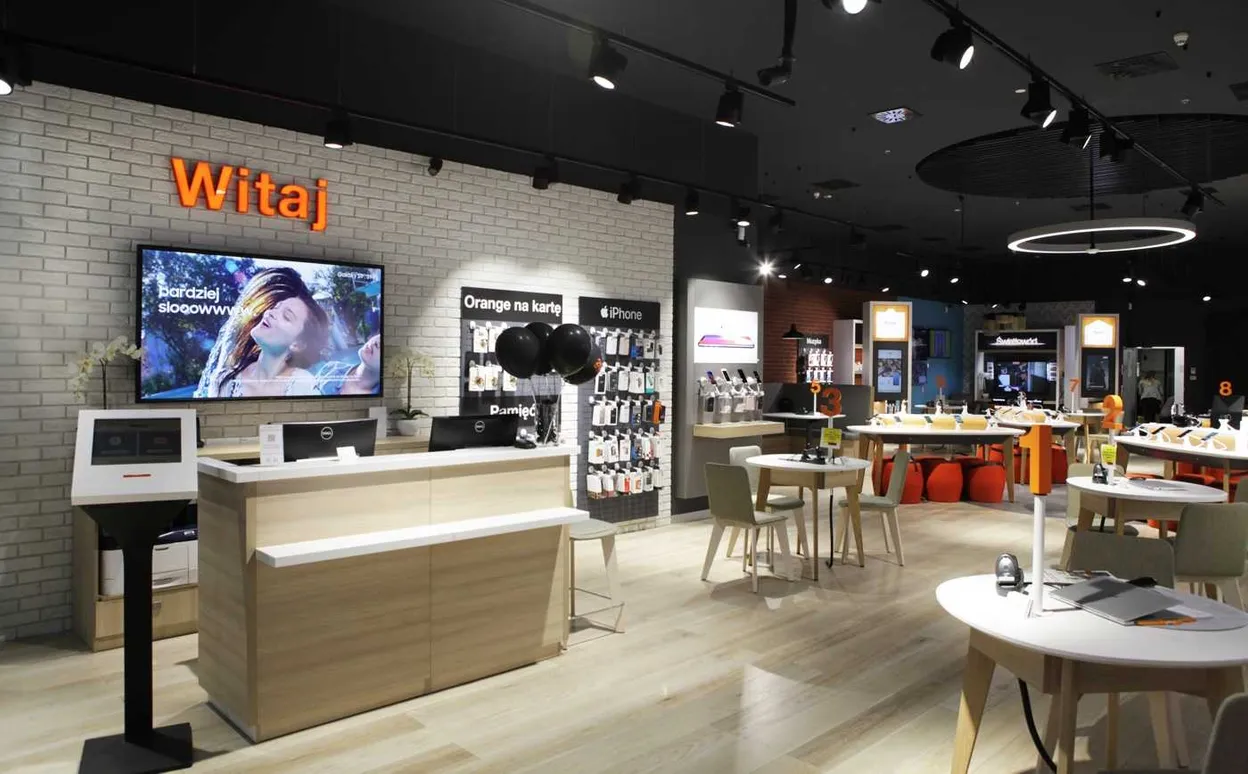
The interior of an Orange Smart Store with a reception desk